What Does an Insurance Adjuster Look for During a Roof Inspection?
When roof damage is suspected, a roof insurance claims adjuster in Ocala looks for evidence that connects the damage to a specific covered event. A roof leak alone does not automatically mean the insurance company will approve the claim. The inspection must help determine whether wind, hail, a falling tree, or another sudden event caused the damage.
Signs of Wind and Hail Damage
Different weather events leave different types of evidence. Hail may bruise shingles, loosen protective granules, or leave visible impact marks. Wind may lift shingles, create creases, loosen roofing materials, or remove shingles completely.
A roof insurance claims adjuster in Ocala may examine both the damaged area and the surrounding roof. Damage is not always limited to the most visible section, so the inspection should consider the entire roofing system.
Common signs of storm damage include:
- Missing, lifted, or creased shingles
- Areas where granules have been removed
- Bruised or cracked roofing materials
- Damage around vents, flashing, and roof edges
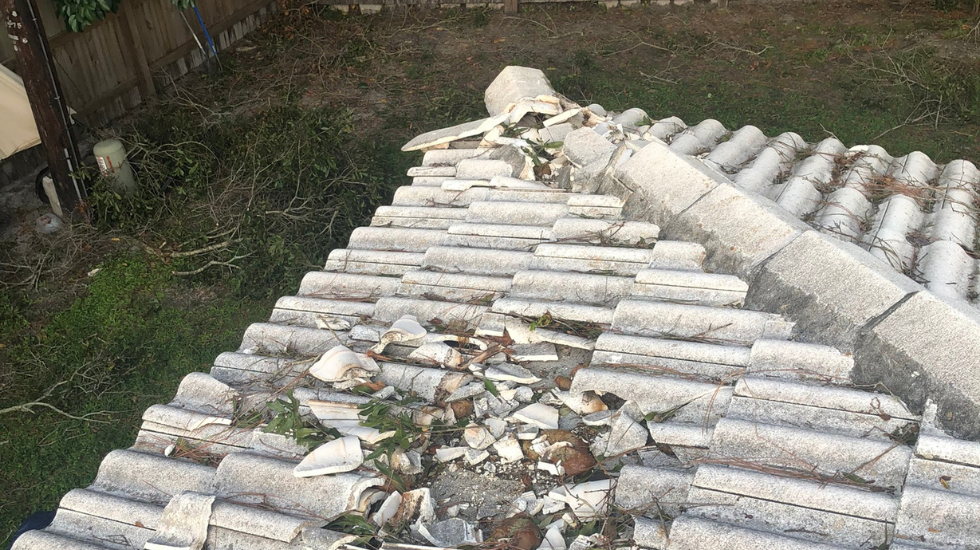
- Openings caused by falling branches or trees
- Water stains in the attic or interior rooms
Is the Damage From a Storm or Normal Wear?
Insurance policies generally distinguish sudden damage from normal aging and maintenance problems. A leak may develop because roofing materials have reached the end of their useful life. Water may also collect in roof valleys because of leaves, clogged drainage areas, or worn materials beneath the shingles.
An adjuster will look for a clear cause of loss. If the roof began leaking after strong winds or hail, the inspection may uncover physical evidence of that event. If the roof is simply old and deteriorated, the damage may be considered wear and tear rather than a covered loss.
Looking Beyond the Roof Surface
A thorough inspection should also consider what happened inside the building. Water can affect insulation, ceilings, drywall, flooring, cabinets, and areas hidden behind walls.
When a tree falls onto a home, the first concern is usually removing the tree and preventing additional rain from entering. After that, the inspection should document every area where the tree struck the structure, along with any resulting water damage.
Get the Damage Properly Documented
Clear photographs, measurements, and written notes can help explain how the loss occurred and what repairs may be necessary. A private insurance adjuster in Ocala can inspect the property, document visible and hidden damage, and help the homeowner understand the next steps. Contact a private insurance adjuster in Ocala today to request a review before repairs remove important evidence of the original damage.